
Emergency Notification
DOH-Broward Urges Residents to Follow Flood Safety Tips
November 18, 2026
3 min read
Share:
DOH-Broward urges residents to be aware of the health risks associated with flooding. Health hazards are a concern when waters are or become contaminated with bacteria or contain dangerous debris.
For media inquiries:
Paige Patterson-Hughes • Paige.Patterson-Hughes@FLHealth.gov • 954-847-8060
Fort Lauderdale, Fla. — The Florida Department of Health in Broward County (DOH-Broward) urges residents to be aware of the health risks associated with flooding. Skin contact with flood waters does not, by itself, pose a serious health risk. However, health hazards are a concern when waters are or become contaminated with bacteria or contain dangerous debris.
DOH-Broward recommends the following to prevent illness or injury from floodwaters:
Prevent Illness/Injury from FloodWaters
Basic hygiene is critical.
- If you are under a boil water notice, use commercially bottled water for mixing baby formula. Wash your hands with soap and either disinfected or boiled and cooled water, especially before preparing or eating food, after toilet use, after handling a soiled diaper, after participating in flood cleanup activities, and after handling objects contaminated with floodwater or sewage.
- Avoid eating or drinking anything that has been contaminated with floodwaters.
If you are unsure if your tap water is safe, boil or disinfect it.
- Boiling tap water is the best way to kill harmful parasites, bacteria and viruses. The process is complete when the water is held at a rolling boil for at least one minute.
- If boiling is not an option, disinfect tap water by adding eight drops of regular unscented household bleach (4 to 6% strength) — this is about one-eighth teaspoon or a dime-sized puddle — per gallon of water. If a higher strength bleach is used (8.25% strength), only add seven drops of bleach. Mix the solution and let it stand for 30 minutes. If the water is cloudy after 30 minutes, repeat the steps once.
Avoid contact with floodwaters, especially if you have open cuts or sores.
- If you have any open cuts or sores and come in contact with floodwaters, wash the area well with soap to prevent infection. If a wound develops redness, swelling, or drainage, seek immediate medical attention.
- Residents who sustain lacerations and/or puncture wounds are encouraged to contact their primary health care provider to make sure they are current on their tetanus vaccine and possibly get a booster.
- Do not wade through standing water. If you do, wash your body and put on clean clothes.
- Soak dirty toys in clean, disinfected water, or dispose.
Septic Systems and WElls
If on a septic system and your plumbing is functioning slowly:
- Conserve water as much as possible; the less water used, the less sewage the septic tank must process. Minimize use of your washing machine.
- Do not have the septic tank pumped. Exceptionally high-water tables might crush a septic tank that was pumped dry. If the basic problem is high ground water, pumping the tank does nothing to solve that problem.
- Do not have the septic tank and drain field repaired until the flood water has receded.
If your well is flooded:
- Heavy rainfall may have made your well water unsafe to drink. If you are unsure about the impact of flooding on your well water, use bottled water or boil water for drinking, making ice, teeth brushing, and washing any areas of the skin that have been cut or injured.
- If your well is affected by flood waters, there may be disease-causing organisms in your water making it unsafe to drink.
- For additional questions regarding well water testing, contact DOH-Broward Environmental Public Health at 954-412-7335.
Turn around, Don’t Drown!
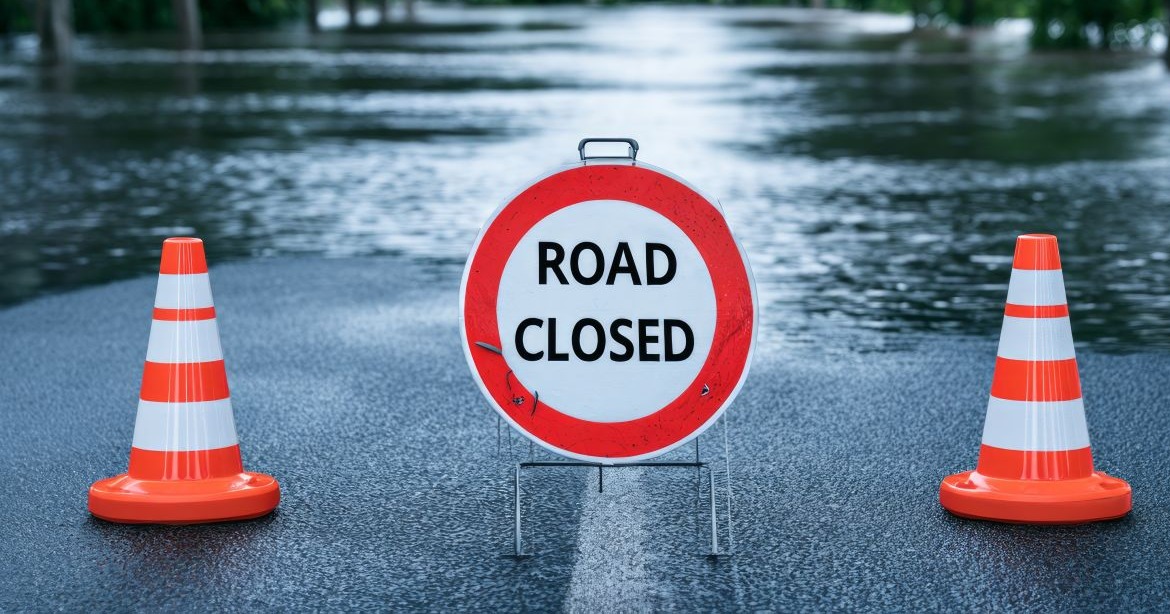
Don’t drive in flooded areas. Drowning is a leading cause of storm-related death. Turn around, don’t drown!
- Always follow warnings about flooded roads.
- Vehicles can be swept away or may stall in moving water. Never drive through flooded areas.